
Source: Getty Images
With an increase in winds expected in the coming days across parts of our service area along with dryer conditions, we ask customers in Arkansas, Louisiana, Mississippi and Texas to join us in taking every precaution and follow any local or state orders, such as full or partial burn bans.
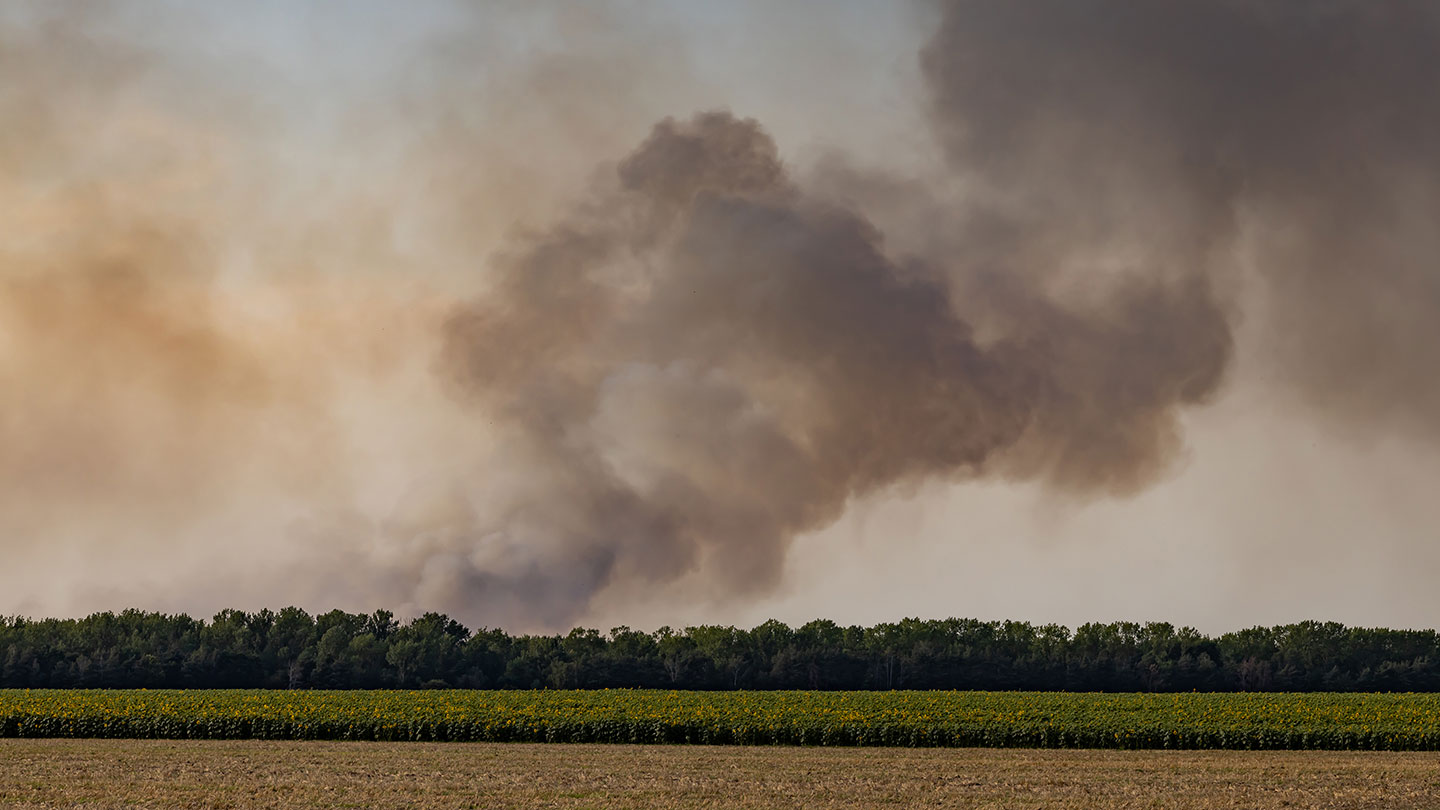
All four states within our service area have experienced wildfires this year. As of September 2026, we have encountered more than 340 fires reported across Arkansas, Louisiana, Mississippi and Texas. However, there are areas where they are at greater risk of occurring. Most of these wildfires occurred in Arkansas, which accounted for nearly 85% of all reported fires across our service territory.
We are monitoring the increased risk that comes with high winds and dry conditions and taking proactive measures to help reduce potential issues from fire hazards. Although we proactively look for, and mitigate, vegetation growth year-round, we may also take additional precautions when needed, such as limiting work that could cause sparking, patrolling our lines and heavily monitoring areas in the highest risk drought zones.
We proactively look for, and mitigate, vegetation growth year-round.
All year long, we monitor the potential for wildfire danger. One way we do this is by performing “sky to ground” vegetation trimming on targeted sections of line, which removes tree limbs that would normally have been above or near the power lines. We use computer modeling to help predict when trimming may be needed and assess the landscape from many angles – from the ground, overhead and by using satellites to help monitor growth rate, for example.
Your safety is most important.
With the consistent dry conditions we’ve been experiencing in many areas, remember these safety tips:
- Avoid driving or parking on dry grass, brush, or other vegetation. Hot vehicle components can ignite dry vegetation.
- Limit idling in areas with dry grass or brush when possible, particularly during periods of elevated wildfire risk. Vehicle exhaust systems can reach temperatures of more than 1000 degrees. These temperatures are hot enough to ignite vegetation.
- Dispose of smoking materials properly. Never throw cigarettes or cigar butts on the ground or from a vehicle. Make sure they are completely extinguished before disposal.
- Call 911 immediately if you observe an active fire or an immediate threat to people or property.
- Evacuate immediately if directed by local authorities or if you believe you are in danger.
- Follow emergency alerts and evacuation orders. Do not delay evacuation to retrieve equipment or personal belongings.
- Monitor air quality, particularly if smoke is present. If authorities advise you to remain indoors, stay inside and close doors and windows. If possible, designate a room that can be closed off from outside air.
- Keep monitoring conditions. Wind direction and speed can change quickly and may cause a wildfire to spread or shift unexpectedly.
